
How Do Electric Vehicles Work?
Electric vehicles (EVs) operate without internal combustion engines. Instead of burning gasoline, they use an electric motor powered by a rechargeable battery. This means no tailpipe emissions, quieter operation, and fewer moving parts compared to gas-powered vehicles. Going electric offers a cleaner, smoother, and more efficient way to drive.
The Basics of Electric Vehicles
EVs receive electricity from a charging source and store it in an onboard battery. That stored energy powers an electric motor, which turns the wheels. Because EVs have fewer mechanical components than traditional vehicles, they're simpler in design and operation—yet highly efficient.
How Electricity Becomes Motion

From Electricity to Motion
Nissan EVs use electricity stored in high‑voltage batteries to power an electric motor. The motor converts electrical energy into mechanical force, instantly delivering power to the wheels for smooth and responsive acceleration.

Plug In, Ride On
Electric vehicle batteries are charged by plugging into a power source—either at home or at public charging stations. Once charged, your EV is ready to go, offering convenient and flexible charging options to fit your lifestyle.
Learn more about EV charging →
Creating Energy as You Drive
EVs use regenerative braking to capture energy normally lost during braking. Instead of wasting that energy as heat, the system converts it into electricity and stores it in the battery—helping extend your driving range.
Learn more about EV benefits →Key Parts of an Electric Vehicle
Understanding the core components of an EV helps explain how it works.
High‑voltage battery pack
Stores electrical energy to power the vehicle
Electric traction motor
Converts electrical energy into mechanical motion
Power electronics controller
Manages the flow of electrical energy
Charging system
Allows the battery to be recharged from external power sources
Regenerative braking system
Captures energy during braking and returns it to the battery
Types of Electric Vehicles
Different EV types offer different benefits, depending on driving habits and needs.
Plug‑in Hybrid Electric Vehicles (PHEVs)
Plug‑in hybrid vehicles (PHEVs) combine an electric motor with a gas engine. They run on electricity first and switch to gasoline once the battery is depleted, offering flexibility for longer trips.
Offers for EV Charging Assistance
Nissan provides available home and public charging offers to help you stay powered wherever you go. Restrictions apply.
Included Maintenance for Qualifying Nissan EV Models
Select Nissan EVs include scheduled maintenance for three years or 36,000 miles, whichever comes first.
EV Battery Health Assurance
Nissan EV batteries are designed for long-lasting performance with comprehensive warranty coverage.
NissanConnect® EV Services
Monitor range, locate charging stations, schedule charging, and manage your EV remotely through a compatible smartphone.
Have questions? Contact your local Nissan dealer to learn more.
NissanConnect® EV Services
With NissanConnect EV Services, you can monitor range, locate charging stations, schedule charging, and manage your EV remotely through a compatible smartphone—all from one convenient app.

Explore Nissan Electric Vehicles
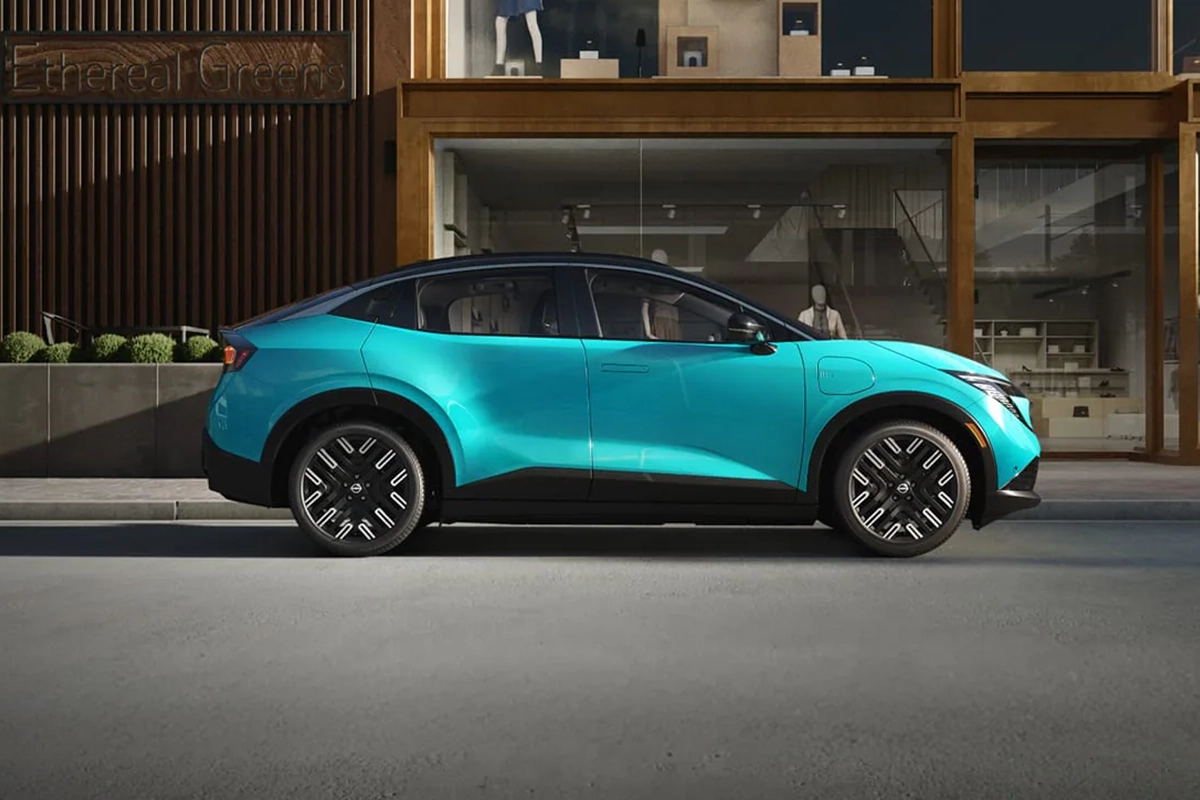
Nissan LEAF
The Nissan LEAF is Nissan's first mass‑market EV, delivering instant torque and smooth acceleration. Available battery options provide flexibility for both daily driving and longer journeys.
Learn MoreCharging availability, charging times, feature availability, and range estimates may vary based on conditions, vehicle configuration, and usage. Refer to Nissan documentation and your local dealer for full details.
